
Well Pump Replacement
Well Pump Replacement in Sussex, Warren and Passaic County, New Jersey
A well pump doesn't usually warn you. One day there's water and the next there isn't. Replacing one properly is a sizing problem and a wiring problem before it's a lifting problem.

Replacing a well pump the honest way means figuring out why the old one died and choosing the new one to match your well — not pulling the first pump off the truck. The well tells you the answer. The depth, the water level, the pipe and the wire all matter before the pump itself does.
We pull the old assembly, inspect what we find, and set a pump sized to how your well actually behaves. If the well itself has slowed, a bigger pump is the worst thing you can put down it.
The two kinds of pump, and which one you have
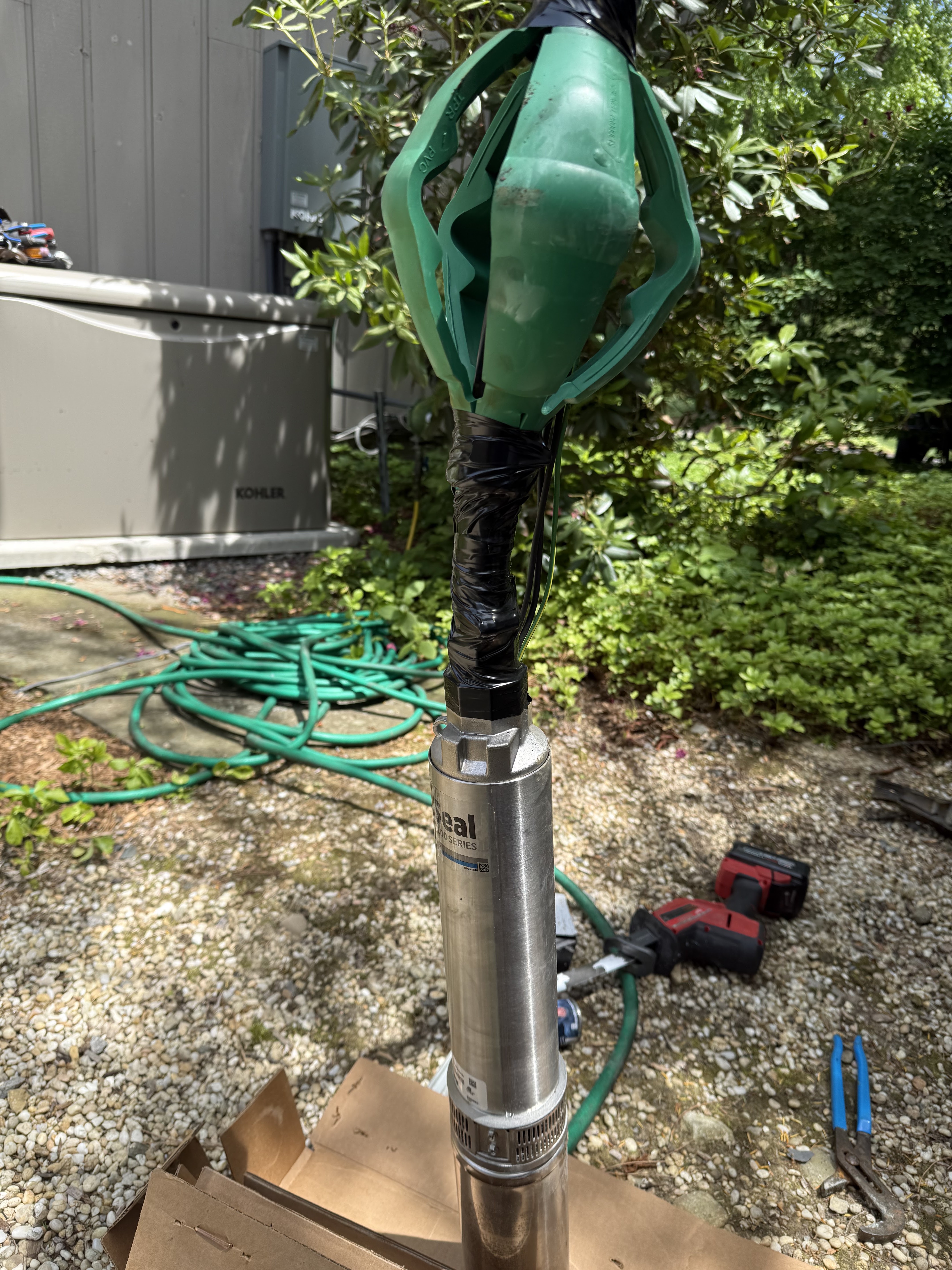
A submersible pump sits down inside the well, underwater, pushing water up. Most drilled wells in this part of New Jersey use one. If you cannot find a pump anywhere in your basement, yours is down the well.
A jet pump sits above ground, usually in the basement or a well house, and pulls water up. Shallow-well jet pumps draw from one pipe; deep-well jet pumps use two. If there's a noisy cast-iron pump sitting next to your pressure tank, that's a jet pump.
Which one you have matters because they fail differently, they're diagnosed differently, and they are not interchangeable without changing the rest of the system. A jet pump lives where you can see it; a submersible lives where you can't.
What actually gets replaced
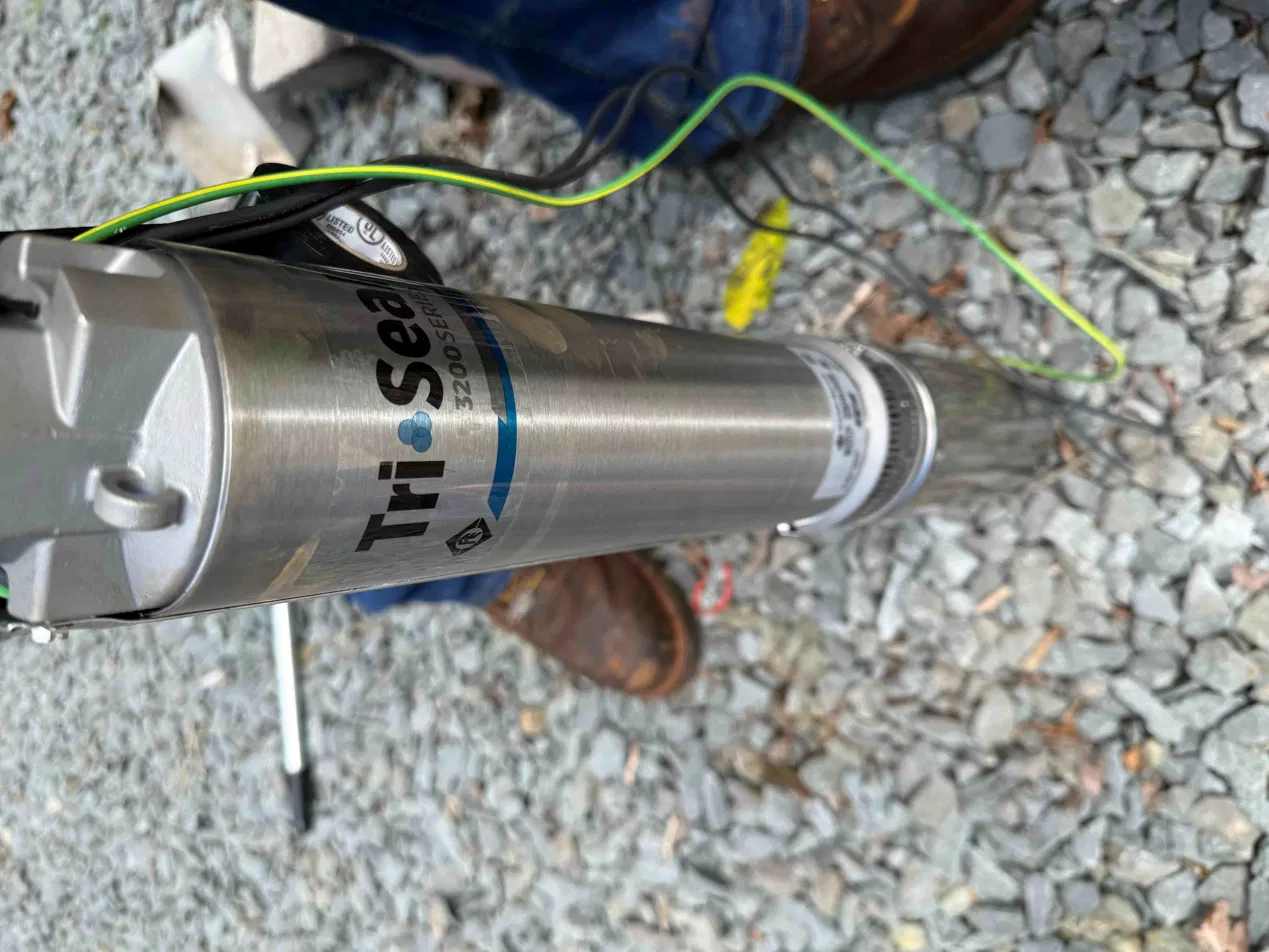
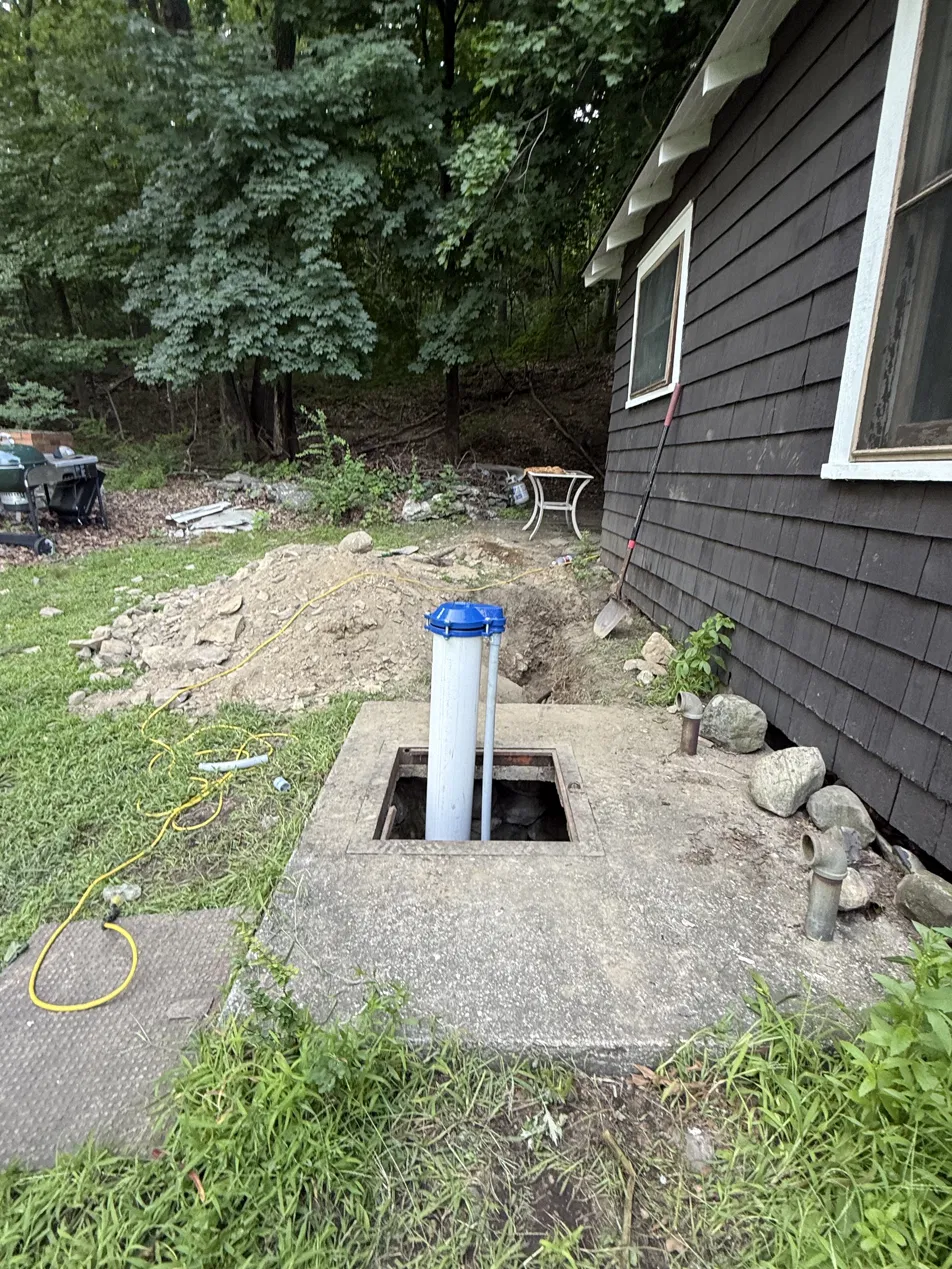
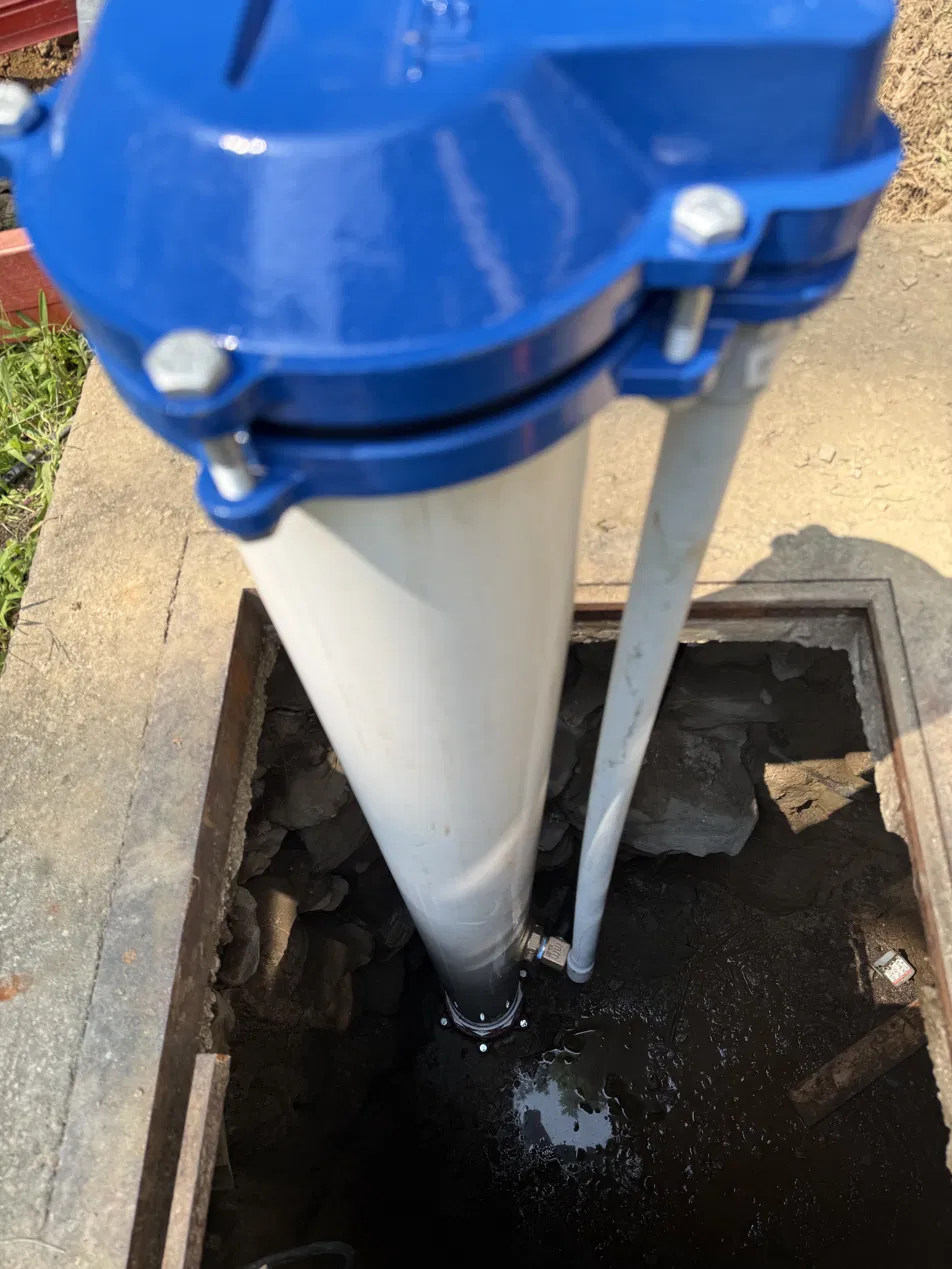
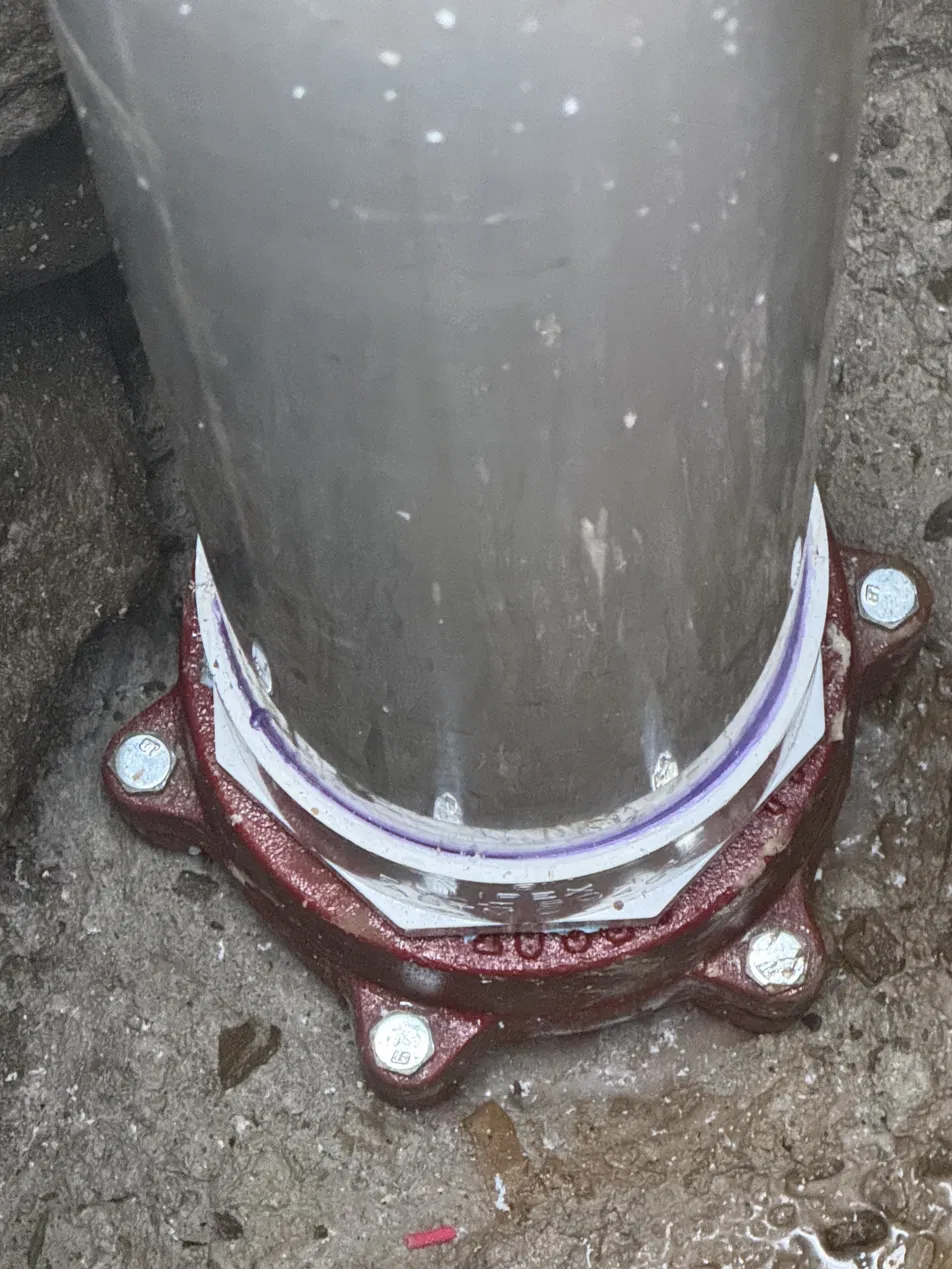
"Replacing the pump" is rarely only the pump. A proper job is the pump and motor, the drop pipe that carries the water up, the wire running down the well, the safety rope, the torque arrestor that keeps the pump from spinning the pipe apart, the check valve that holds the water column, the pitless adapter or well seal at the top, the well cap, and — on a three-wire pump — the control box in the basement.
Reusing a corroded fitting or a brittle wire to save a few dollars is how a brand-new pump ends up back out of the well in two years. We'd rather replace the wire and pipe than reuse them and have to come back.
Sizing — and why bigger is not better
The pump has to be matched to how deep the well is, how far down the water actually stands, how far it has to push the water up into the house, and how much water the well can give without being pumped down. Get any one of those wrong and the pump either works too hard or not hard enough.
An oversized pump doesn't give you more water. It pumps the well down faster than the well recovers, sucks air, and burns out. The right pump is the one that matches your well — not the biggest one in the catalogue.
Two-wire and three-wire submersibles are different animals. Three-wire needs a control box in the basement; two-wire doesn't. Which is easier to swap depends on what's already down there, and we'll tell you honestly rather than pretend one is always better.
What we do on the day
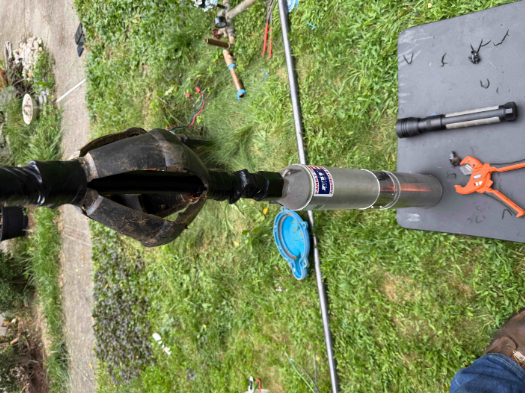
We confirm the diagnosis before pulling anything, because pulling a good pump is expensive and unnecessary. If there's a well record, we check it. We pull the old assembly, inspect the casing, the cap and the wiring, and set the new pump at the right depth. We replace the wire and pipe rather than reuse them, disinfect the well before it goes back into service, then run it and check the pressure and the amp draw before we leave.
When it isn't the pump — read this before you buy one
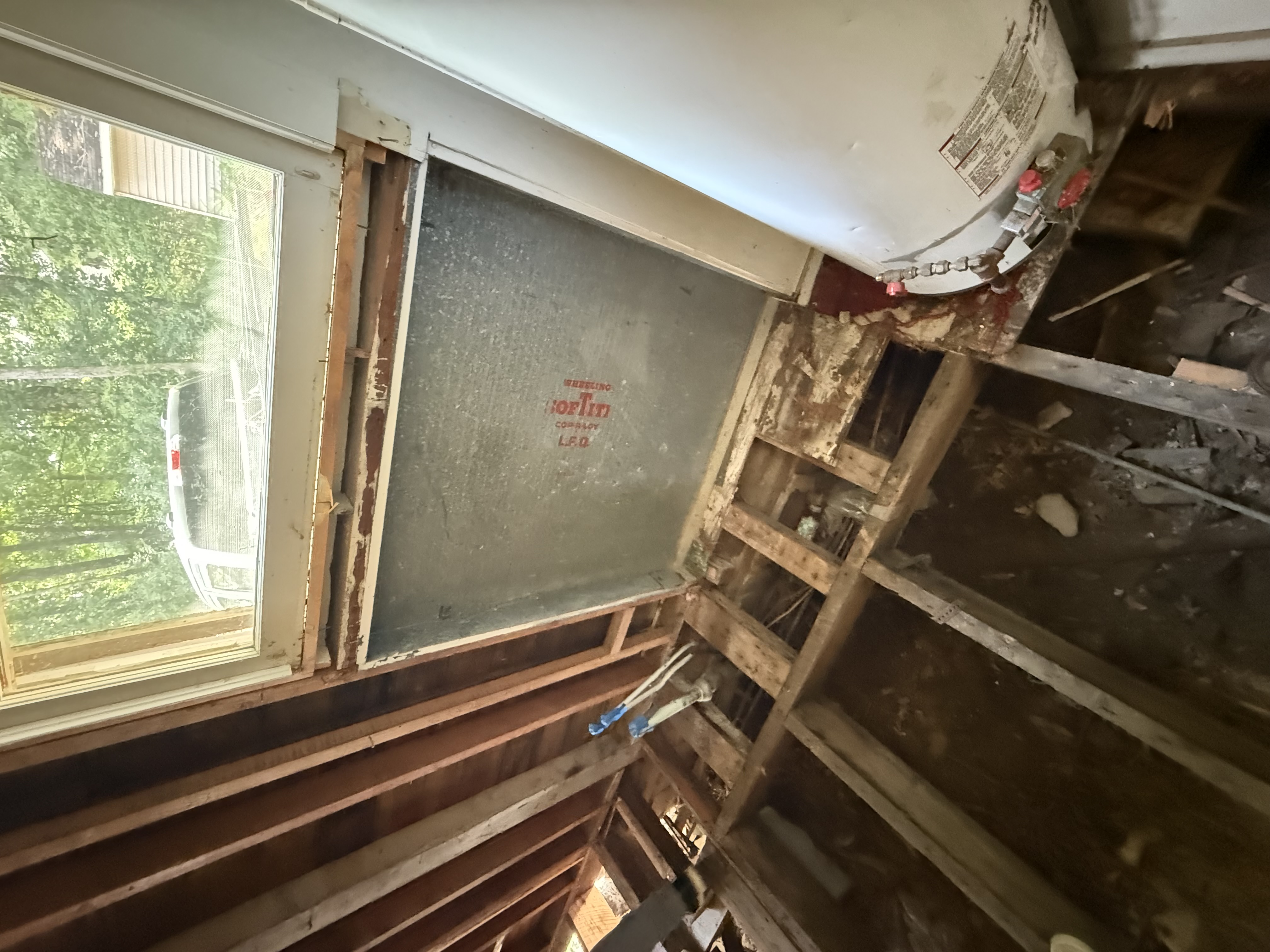
This is the part that costs us work, and it's the most valuable thing on this page. A waterlogged pressure tank, a failed pressure switch, a tripped breaker, a bad wire splice, or a control-box capacitor can all look exactly like a dead pump. Any of those is a fraction of the cost of a pump.
Make sure whoever you call has actually ruled those out before they pull anything out of the ground. See our no water and pump repair page and our well tank replacement page for the checks that tell you which it is.
Where we work
Sussex County top to bottom, northern and central Warren County, and the northern Passaic County highlands — West Milford, Ringwood, Wanaque and Bloomingdale. See the full service area map. We won't promise a response time to any town — we'll give you a straight arrival window when you call.
Drilling a new well and sealing an old one are a different licence — a licensed well driller — and we don't do that work. See our NJ pump installer licence page for why that matters.
Straight answers
Questions we get on this one
How do I know if it's the pump or the tank?
A waterlogged tank short-cycles the pump and can look exactly like a pump failing. Tap the side of the tank — if it sounds solid all the way up, the air charge is gone and the tank is the problem, not the pump. We check the tank, the pressure switch and the control box before we ever pull a pump.
Do you have to pull the pump to diagnose it?
No. Voltage at the pressure switch, amp draw at the panel, and the behaviour of the gauge tell us most of it from the basement. Pulling a good pump is a wasted day and a wasted invoice, so we rule out everything above ground first.
Will my water be safe right after the pump is replaced?
Any time a well is opened up, the right move is to disinfect it before it goes back into service. We chlorinate the well after a pump replacement and recommend a retest to confirm the water is clean. The well was sealed; we broke that seal to do the work.
Do I need a permit to replace a well pump?
Replacing a pump in an existing well is repair work, and in New Jersey the permits that touch a well are tied to constructing one — not to swapping out a failed pump. That said, requirements can vary with the specific job, so we confirm what applies to your well rather than stating a blanket rule.
Can you replace a jet pump with a submersible?
Sometimes, but it is not a straight swap. A submersible sits down the well, so the drop pipe, the well seal and the wiring all have to be right for it. We look at what's down there and tell you honestly whether it's worth the change or whether the jet pump is the better answer for your well.
What happens to my old pump?
We pull it out and take it with us. There is no trade-in value in a burnt-out pump, and we don't leave old iron in your basement.
We answer around the clock
No water? Call. Don't type.
(862) 276-0328No water right now? Call (862) 276-0328.
Or request service online — but if you're standing in a dark basement with no water, the phone is faster.